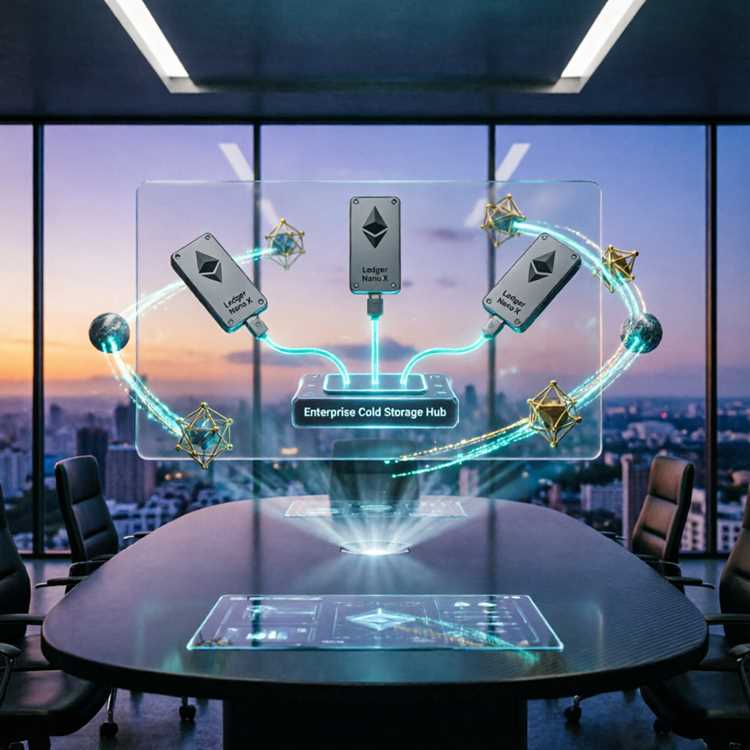
Ledger Wallet for Business – Enterprise Crypto Security delivers a hardware solution for companies managing digital assets. Businesses today handle significant crypto sums. A single breach can cost millions. Using cold storage reduces that risk dramatically. Storing funds offline prevents remote hacks. Ledger devices keep private keys isolated from internet connections. This approach suits organizations with high value holdings. Many exchanges have suffered thefts from hot wallets. Companies then turned to hardware wallets for better protection. Ledger enterprise wallet offers multiple layers of security. It combines physical device security with a secure chip. This ensures only authorized users can initiate transactions. For teams, this means greater control over their crypto assets. Adopting a corporate hardware wallet also simplifies audit trails. Every transaction requires physical approval. That adds a layer of accountability missing in software wallets. Finance departments appreciate this visibility. IT teams value the reduced attack surface. Security officers gain peace of mind. Ultimately, the choice boils down to protecting company resources. Businesses that skip this step risk serious financial damage.
Why do companies lose digital assets?
Companies lose digital assets through several common paths. First, many teams rely on exchange wallets. Exchanges get hacked regularly. Second, employees fall for phishing scams. A single click can drain a wallet. Third, poor key management leads to lost access. Private keys stored on laptops are vulnerable. Fourth, insider threats exist within any organization. Disgruntled employees can move funds without permission. Fifth, software wallets connect to the internet. That always creates an entry point for attackers. Using a Ledger enterprise wallet addresses all five issues. It keeps keys offline. It requires physical confirmation for transfers. It removes the exchange risk. It provides a clear audit trail. Many businesses find this shift necessary after a security incident. Don't wait for a breach to change your approach.
Understanding Ledger enterprise wallet features
Ledger enterprise wallet features go beyond simple storage. These devices use a secure element chip. That chip isolates private keys from the device operating system. Even if your computer gets a virus, your keys stay safe. The device also supports multiple cryptocurrencies. You can manage Bitcoin, Ethereum, and many altcoins from one interface. Business crypto storage becomes easier with this unified approach.
How cold storage protects funds
Cold storage means the private key never touches an internet connected device. Ledger devices generate keys offline. They sign transactions offline too. Only the signed transaction moves to the computer. This prevents remote attackers from ever seeing the key. Physical possession becomes the main security factor. Storing the device in a safe adds another layer.
Multi-signature capabilities
Organizational Ledger wallets support multi-signature setups. This requires approval from multiple devices before funds move. For example, you can set a policy requiring three out of five managers to sign. This stops single points of failure. It also prevents unauthorized transfers. Multi-sig is essential for treasury management in larger teams.
Business crypto storage solutions compared
Business crypto storage falls into two main categories. Software wallets store keys on a computer or phone. Hardware wallets store keys on a dedicated device. Software wallets are convenient but risky. Hardware wallets are less convenient but much safer. For any business holding more than a small amount, hardware is the right choice.
Software vs hardware wallets
Software wallets include apps like MetaMask or Trust Wallet. They connect to the internet constantly. That makes them targets for malware. Hardware wallets like Ledger keep keys offline. They connect only when you initiate a transaction. This difference seems small but has huge security implications. A business with a software wallet is a target. A business with a hardware wallet is not an easy target.
Ledger vs other hardware brands
Several hardware wallet brands exist. Ledger stands out for its secure chip. This chip has passed independent security audits. Ledger also offers the most comprehensive app support. You can manage over 5000 cryptocurrencies. Other brands may have fewer options or weaker security. For a corporate hardware wallet, security and compatibility are both vital. Ledger delivers on both fronts.
Setting up an Organizational Ledger for your team

Setting up an Organizational Ledger requires careful planning. Start by deciding who will hold the devices. Choose a primary user and several backups. Then configure each device using the Ledger Live app. This process creates the seed phrase and sets a PIN. Write down the seed phrase on the provided recovery sheet. Store that sheet in a fireproof safe. Never keep it on a computer or phone. For detailed steps, check our Set up Ledger wallet guide.
Initial device configuration
Initial configuration is straightforward. Connect the device to your computer via USB. Open Ledger Live and choose "Initialize a new device". The screen will display a series of words. Write these down exactly. This is your recovery seed. Without it, you cannot access funds if the device breaks. Confirm the seed on the device. Then set a PIN. Choose a PIN between 4 and 8 digits. Avoid obvious numbers like 1234.
Assigning access roles
Assign access roles based on team needs. One person can hold the device. Another can hold the seed phrase backup. This split prevents any single person from moving funds alone. For larger teams, use multi-signature. Each signer gets their own device. Our Ledger multi-device discount helps you purchase multiple units at a lower cost. This makes team setups more affordable.
Using a Corporate hardware wallet for daily operations
Using a Corporate hardware wallet changes your daily workflow. Instead of logging into an exchange, you connect your device. You confirm each transaction with a button press. This takes a few extra seconds but adds massive security. Employees get used to the process quickly. The tradeoff is worth the protection.
Integrating with exchange accounts
Integrating with exchange accounts is simple. Most major exchanges support Ledger devices. You withdraw funds from the exchange to your Ledger address. To send funds back, you initiate the transaction from Ledger Live. The exchange receives the funds after the device signs. This removes the need to keep large balances on exchanges. Reduced exchange balances mean reduced exchange risk.
Managing multiple cryptocurrency portfolios
Managing multiple cryptocurrency portfolios from one device is easy. Ledger Live supports over 5000 tokens. You can create separate accounts for Bitcoin, Ethereum, and others. Each account has its own address. You can also use different derivation paths for organizational segregation. This helps with accounting and tax reporting. Always verify the addresses on the device screen before sending.
Security policies every business should adopt
Security policies need to cover more than just the device. Written procedures ensure consistency. Every team member should understand the rules. Regular training keeps awareness high. Policies should include device handling, backup procedures, and incident response. Without policies, security depends on individual habits. That is not reliable.
Backup procedures
Backup procedures must be documented and tested. Store the seed phrase in at least two physical locations. Use a fireproof safe for one. Use a bank safety deposit box for another. Never store the seed digitally. Not on a phone. Not in a cloud service. Not in an email. Test the backup by restoring a device every six months. This confirms the seed still works.
Recovery plan essentials
Recovery plan essentials include knowing how to restore funds. If a device is lost or damaged, you need the seed phrase. Write down the steps for restoring a new device. Keep those steps with the seed phrase. Include the PIN and any passphrase information. A recovery plan reduces panic during a real incident. Think of it as insurance for your crypto.
Choosing the right Ledger model for your company
Choosing the right Ledger model depends on your needs. Ledger offers several devices with different features. The Nano S Plus is a good entry-level choice. The Nano X adds Bluetooth connectivity. The Ledger Stax offers a larger screen. All models support the same security chip. The differences are in convenience and capacity. The table below compares the main options.
| Model | Price | Capacity (apps) | Connectivity | Best for |
|---|---|---|---|---|
| Nano S Plus | $79 | Up to 100 apps | USB-C | Entry-level teams, limited budgets |
| Nano X | $149 | Up to 100 apps | USB-C + Bluetooth | Mobile users, frequent transactions |
| Stax | $279 | Up to 100 apps | USB-C + Bluetooth + NFC | High-volume teams, display clarity |
For a budget-friendly start, check our Cheap Ledger wallet options. If you need a model for a specific use case, ledger nano s plus is a reliable workhorse. For broader coin variety, see our Ledger altcoin support page.
Cost analysis: is a Ledger enterprise wallet worth it?
Cost analysis shows a strong return on investment. A single Ledger device costs between $79 and $279. Compare that to potential losses from a breach. Even a small security incident can cost thousands. Recovery costs, legal fees, and reputation damage add up fast. For most businesses, the hardware pays for itself after one avoided attack.
Initial investment vs potential loss
Initial investment is low. A Nano S Plus costs less than a team dinner. A breach from a hot wallet could cost your entire treasury. The math is simple: spending a few hundred dollars protects tens or hundreds of thousands. Think of it as buying a fire extinguisher for your digital assets. You hope never to use it, but you are glad it is there.
Scalability for growing teams
Scalability for growing teams is straightforward. Buy additional devices as your team expands. Use multi-signature configurations for larger groups. Each new signer gets their own device. Our Buy Ledger Nano X page shows current pricing for bulk orders. You can also check the Ledger reseller page for authorized distributors.
Common mistakes in enterprise crypto storage
Common mistakes in enterprise crypto storage are avoidable. Many teams trust exchange wallets too much. Others fail to back up properly. Some share PINs or devices. A few skip multi-signature setups. These errors expose the organization to unnecessary risk. Avoiding them requires discipline and clear procedures. Follow the numbered list below to prevent the most frequent issues.
- Leaving funds on exchange wallets for longer than necessary. Move crypto to cold storage immediately after purchase.
- Storing seed phrases digitally. Write them on paper or metal. Never type them into a computer or phone.
- Sharing device access. Each employee should have their own device and PIN.
- Skipping multi-signature for teams with more than one person. Require at least two signatures for large transfers.
- Using only one backup location. Keep seed phrases in at least two separate physical locations.
Avoiding these mistakes keeps your company safe. For those who need a unique look, consider the Ledger limited edition devices. They offer the same security with a special design.
Frequently asked questions about business crypto security
This section answers common questions about using hardware wallets in a company setting. Each answer provides practical advice based on real business scenarios.
What happens if a Ledger device is lost or stolen?
If a device is lost or stolen, funds remain safe. The attacker needs the PIN and the seed phrase. They cannot access the device without the PIN. Even if they try to brute force it, the device locks after several wrong attempts. You can restore your funds on a new device using the seed phrase. Keep that seed in a secure location.
Can a business use one Ledger for all employees?
Using one device for all employees is risky. Each person would need the PIN. That increases the chance of exposure. Better to provide each employee with their own device. Use multi-signature for team approvals. This gives each person control over their own keys while maintaining corporate oversight.
How do we integrate Ledger with our existing accounting software?
Integration with accounting software requires a middle layer. Ledger Live can export transaction history. You can import that data into tools like CoinTracker or Koinly. Those tools connect to accounting platforms. For custom solutions, use the Ledger API. Many enterprise teams use this method for automated reporting.
Is a Ledger device suitable for high frequency trading operations?
High frequency trading requires instant access to funds. A hardware wallet adds a delay of a few seconds per transaction. This might not suit algorithmic trading. For manual trading with moderate frequency, the delay is acceptable. Many firms use a hot wallet for small amounts and a Ledger for the majority of holdings.
What is the warranty on business purchases?
Standard warranty on Ledger devices is one year. Business purchases may qualify for extended support. Contact the Ledger reseller for volume pricing and warranty details. Some resellers offer three year plans for corporate accounts.